
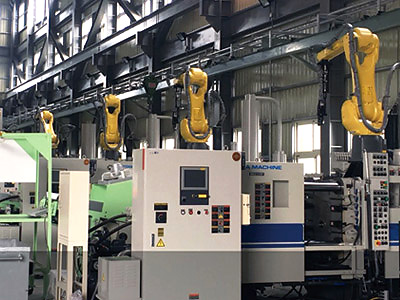
Aluminum alloy die casting is a part manufacturing process in which molten aluminum alloy is injected into a mold and allowed to cool and solidify into the desired shape. Aluminum alloy die-cast parts have the advantages of light weight, high strength, corrosion resistance, and easy processing, and are widely used in automobiles, electronics, home appliances, machinery and other fields.
Application scope of aluminum alloy die-casting parts
Aluminum alloy die-cast parts have a wide range of applications. Here are some common application examples:
- 汽車: A large number of aluminum alloy die-cast parts are used in automobile engines, gearboxes, chassis, bodies and other components. For example, automobile engine blocks, cylinder heads, pistons, crankshafts, etc. are all made of aluminum alloy die-casting.
- Electronic: The casings, radiators, circuit boards, connectors and other components of electronic products all require the use of aluminum alloy die-cast parts. For example, the body of a laptop, the back cover of a mobile phone, the stand of a tablet, etc. are all made of aluminum alloy die-casting.
- Home appliances: The casings, casings, radiators, motors and other components of home appliances all require the use of aluminum alloy die-cast parts. For example, the door panel of the refrigerator, the inner barrel of the washing machine, the fan of the air conditioner, etc. are all made of aluminum alloy die-casting.
- Mechanical: Mechanical equipment parts, components, molds, etc. all need to use aluminum alloy die-casting parts. For example, robots, medical equipment, industrial equipment, etc. all use aluminum alloy die-cast parts in large quantities.
Advantages of aluminum alloy die-cast parts
Aluminum alloy die-cast parts have the following advantages:
- high productivity: Aluminum alloy die-casting can produce a large number of parts at one time, with high production efficiency. This can reduce product manufacturing costs and improve product supply capabilities.
- High dimensional accuracy: Aluminum alloy die-casting can produce a large number of parts at one time, with high production efficiency. This can reduce product manufacturing costs and improve product supply capabilities.
- 輕量化: The density of aluminum alloy is only 1/3 of steel, so aluminum alloy die-casting parts can be lighter than steel parts. Lightweighting can reduce product transportation costs and usage costs, and improve product fuel efficiency.
- high strength: Aluminum alloy has high strength and rigidity and can meet the requirements of various structural parts. Aluminum alloy die castings can be used to manufacture parts that require high strength and durability, such as automotive parts, aerospace parts, mechanical equipment parts, etc.
- Preservative: Aluminum alloy has good corrosion resistance, so aluminum alloy die castings are suitable for various harsh environments.
- Easy to process: Aluminum alloy has good processing performance and can be easily processed by cutting, drilling, riveting, etc.
Manufacturing process of aluminum alloy die-cast parts
The manufacturing process of aluminum alloy die-cast parts mainly includes the following steps:
- Mold design: Make molds based on the design drawings of the parts. Molds are the key to the manufacturing of aluminum alloy die-cast parts. The design and manufacturing quality of the molds directly affect the quality of the parts.
- Mold processing: Processing the mold into the required shape and size. Mold processing usually uses milling, turning, drilling and other processing methods.
- Mold assembly: Assembling the various parts of the mold together.
- Mold heat treatment: Heat treat the mold to improve the hardness and wear resistance of the mold.
- Mold cleaning: Clean the mold to remove surface impurities.
- Raw material preparation: Melt aluminum alloy into liquid state.
- Die casting: Molten aluminum alloy is injected into a mold and allowed to cool and solidify into parts of the desired shape.
- Demolding: Taking the part out of the mold.
- Inspection: Inspect parts to ensure they meet requirements.
Aluminum alloy die-cast parts have a wide range of applications and have important applications in automobiles, electronics, home appliances, machinery and other fields. Our company has rich production experience, advanced machinery and experienced operators, and can meet the needs of customers with its aluminum alloy die-casting production process.
 Chinese
  English
  Japanese